Packaging is more than just a protective layer. It is an essential aspect of brand image, product safety, and supply chain security. The packaging industry is constantly evolving primarily due to the rise in the middle-class population, emerging e-commerce activities, and improvement in supply-chain systems.
This growth has also led to faster production cycles, longer shelf life, and an increase in consumer expectations of recyclability and product safety. Thus, increasing the demand for innovative and sustainable packaging adhesive solutions.
In this blog, we’ll walk you through the types of adhesives and the essentials of adhesive selection for durable packaging.
Why Adhesive Choice Matters in Packaging
Adhesives securely hold packaging layers in place and protect the contents against damage, contamination, and tampering during storage and transit. Packaging film adhesive manufacturers ensure the adhesive maintains the product’s freshness and authenticity, especially in the pharmaceuticals, food, and cosmetics industries.
Beyond protection, leading adhesive companies in India help brand owners to explore different materials, textures, and shapes for packaging. A brand’s reputation also hinges upon the quality and delivery condition of the package. A strong and suitable adhesive makes sure the packaging delivers a consistent experience from factory to customer.
With increasing automation processes in manufacturing, the right adhesive also enhances operational efficiency. Packaging manufacturers need to work with reliable industrial adhesive manufacturers who understand their specific performance and compliance needs.
Types of Packaging Adhesives
There’s no standard adhesive for packaging. Each product requires different bonding properties. Below are some common adhesives produced by industrial adhesive manufacturers for packaging:
1. Water-Based Adhesives
Water-based adhesive manufacturers are gaining prominence due to the eco-friendly nature and cost-effectiveness of the glue. These adhesives are ideal for bonding with porous materials like cardboard or paper. These adhesives emit low emissions of volatile organic compounds (VOCs) and are environmentally friendly.
2. Hot-Melt Adhesives
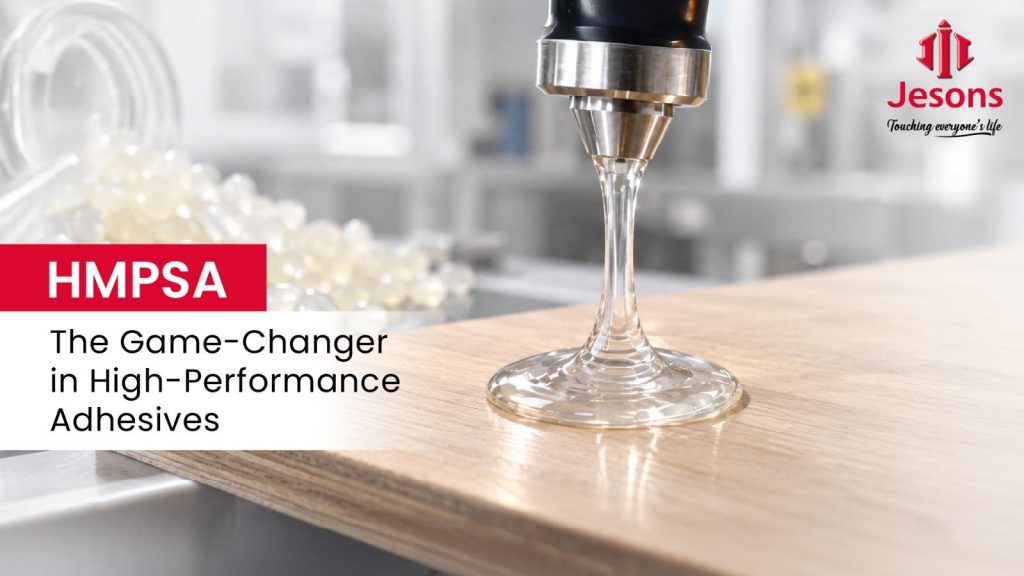
Hot-melt adhesives exhibit compatibility with a diverse array of packaging materials. Since they set quickly, hot-melt adhesives are valuable in high-speed production settings. They are suitable for diverse applications across industries since these adhesives can operate in a temperature range of 60-200°C.
These adhesives have strong initial tack and are usually used for case sealing, carton closing, and paperboard packaging applications. Adhesive for label manufacturers often choose between water-based and hot-melt options depending on surface type and application speed.
3. Solvent-Based Adhesives
Solvent-based adhesives are often preferred for their chemical resistance, durability, and strong bonding strength. They are highly durable, particularly when used with non-porous materials like metal, plastic, and in flexible packaging films. They are resilient in harsh environmental conditions; however, they face regulatory challenges due to VOC emissions.
4. Pressure-Sensitive Adhesives
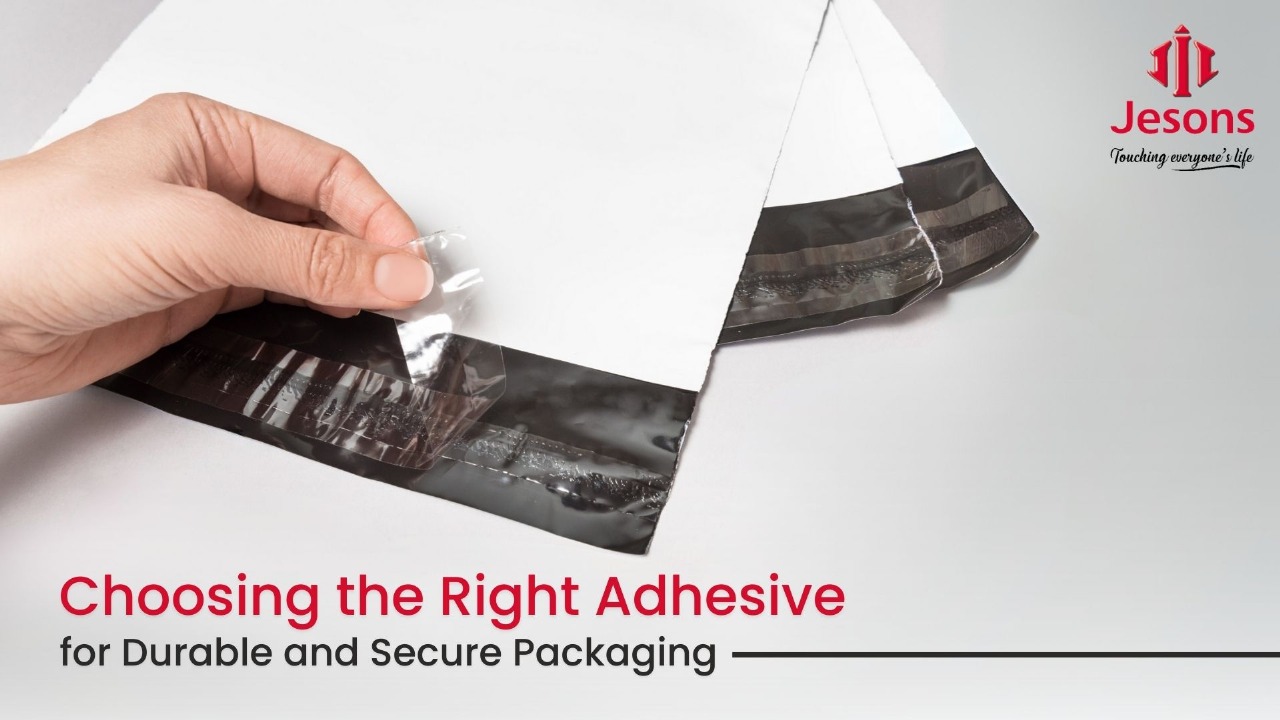
Pressure-sensitive adhesives (PSAs) can be used in packaging for their ability to form strong bonds without external activation and immediate tack. They are commonly used in tapes, labels, and tamper-evident packaging.
They offer moisture-resistant adhesion to a wide range of surfaces, including plastics, films, and cardboards. Manufacturers of label adhesives develop PSAs for brand labels, barcode stickers, and compliance tags.
These adhesives must withstand exposure to heat, moisture, and abrasion during distribution and shelf life.
5. UV-Curable Adhesives
UV-curable adhesives provide rapid curing, precision bonding, and high durability. They lack VOCs and reduce energy consumption, contributing to a more eco-friendly bonding process. UV-curable adhesives’ ability to bond with various substrates makes them suitable for diverse packaging needs.
Essential Factors for Adhesive Selection
The choice of adhesive depends on multiple factors, including:
1. Substrate Compatibility:
It’s important to check the compatibility of the adhesive with the substrate. Different surfaces require different bonding systems. Whether it’s paper, plastic, wood, or fabric, the right adhesive offers a secure and long-lasting bond.
2. Application Method and Curing Time
How the adhesive will be applied is also important to consider. Some adhesives perform best when applied using brushes or rollers, while some are best suited for spray applications. Using the correct method will optimise the performance of the adhesive. Understanding specific adhesive properties like viscosity, setting speed, and open time is also helpful in choosing the right glue for your product.
3. Environmental Resistance
The environment in which the adhesive has to function matters. Packaging may face moisture, high heat, or cold storage during logistics. Packaging film adhesive manufacturers in India focus on producing adhesives that create reliable bonds that can withstand changes in temperature, humidity, and exposure to chemicals.
4. Compliance and Safety
Sustainability is an increasingly decisive factor. More and more brands want packaging to be compostable or recyclable. It’s also essential to choose industrial bonding solutions that meet the recent safety and regulatory standards. Water-based adhesive manufacturers lead the way here with safer, low-VOC emissions products.
Conclusion
Today, choosing the right bonding solution isn’t just about adhesion. It’s about durability, sustainability, and consumer trust. With evolving materials and stricter environmental standards, adhesive companies in India need to produce smarter, custom solutions that balance performance and responsibility.
As one of the leading adhesive manufacturers, Jesons Industries Ltd. offers advanced and application-specific adhesives. From water-based systems to high-performance film bonding, we empower brands to create packaging that’s efficient, eco-conscious, and ready for the future.
FAQs
Which adhesive is best for labels and flexible packaging films?
What is the difference between water-based and hot-melt adhesives for packaging?
Water-based adhesives are ideal for sensitive and recyclable packaging, while hot-melt adhesives are best suited for fast-setting and high-strength requirements.
Which adhesives are best for high-strength packaging applications?
When strength is a priority, hot-melt adhesives and epoxy adhesives are an ideal choice.
What factors should be considered when choosing an adhesive for packaging?
Key factors to be considered include substrate compatibility, curing speed, application method, environmental resistance, and sustainability goals/objectives.