Urban sustainability is no longer a buzzword. It’s a pressing reality to strike a balance between the needs of residents and global environmental challenges.
The goal of many sustainable cities is to enhance the quality of life for residents and lay the groundwork for a resilient, environmentally conscious future. As architectural coating manufacturers in India, we’ve seen a significant shift in the construction industry, where builders are increasingly adopting roof paint chemicals and sustainable additives.
In this blog, we’ll explain the common architectural coatings, including roof paints, that are shaping a more sustainable world.
Understanding Urban Sustainability
The urban heat island(UHI) effect is a growing concern among communities. This means cities are hotter than the surrounding rural and suburban areas. This happens because tall buildings block air movement, along with the waste heat released by vehicles and the operation of air-conditioning units.
Urban sustainability is dependent on designing cities that don’t drain the planet. This shift in city design is majorly redefining the role of architectural coatings.
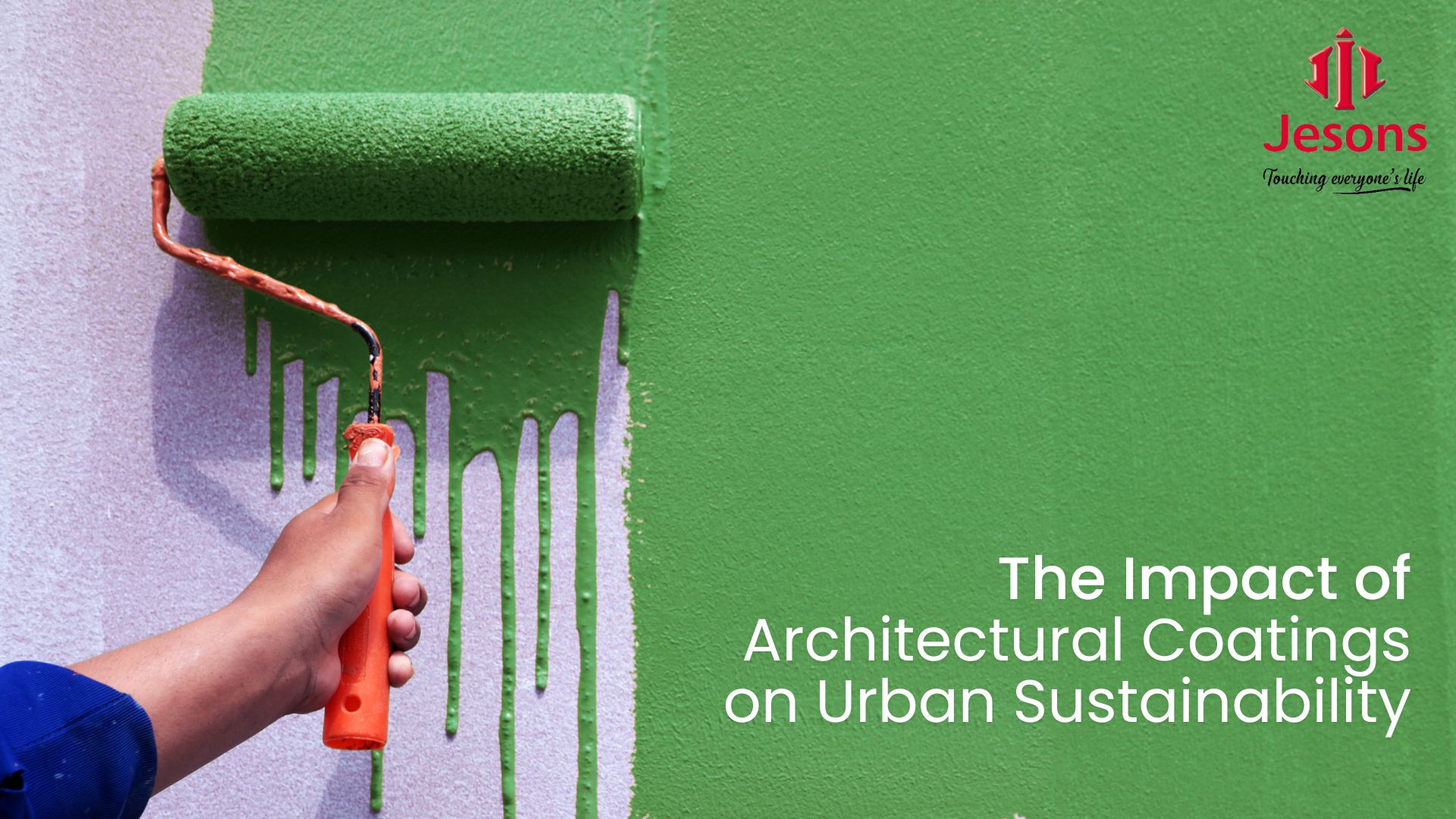
Architectural coatings are now more than just a layer of paint. These coatings support “smart” cities by reflecting more heat, resisting the weather, reducing maintenance, and even maintaining clean air.
Read More: Understanding the Basics of Architectural Coatings: Building Better with Sustainable Innovation
Commonly used architectural Coatings that support urban sustainability
With urban sustainability in focus, paint manufacturers are turning to advanced additives to create coatings that reflect, insulate, and protect. We have mentioned coatings that have gained traction in the construction industry due to their sustainability benefits.
1. APEO-Free Formulations
APEOs (Alkylphenol Ethoxylates) are commonly found toxic coating chemicals. They are notorious for harming marine life. APEO-free formulations directly mean that these chemicals no longer enter our lakes and rivers, reducing environmental and health risks.
2. Low-VOC Formulations
VOCs (Volatile Organic Compounds) are another common chemical found in coatings. These substances easily evaporate at room temperature, which can often lead to respiratory issues and headaches. A low-VOC formulation emits fewer harmful chemicals, thereby improving indoor air quality and reducing its environmental impact.
3. Vinyl acetate-ethylene (VAE) copolymer emulsions
Vinyl acetate-ethylene (VAE) copolymer emulsions often replace harsher binders. Being water-based, they are easier to handle and dispose of without harming the environment. Moreover, they emit fewer VOCs, helping reduce a city’s overall pollution footprint.
4. Reflective Coatings
Reflective coatings bounce off sunlight instead of absorbing it. This reduces the demand for electricity needed for air conditioning, especially in hot climates. Less heat stress on roofs and walls means fewer cracks and slower degradation of construction materials due to constant heat stress.
5. Elastomeric roof coatings
Elastomeric roof coating stretches and returns to its original shape. This allows them to handle temperature changes without breaking down. Many elastomeric roof coatings also have reflective properties. Combined with their flexibility and reflectivity, they help buildings use less energy, waste fewer materials, and last longer.
Future-proofing Cities with Architectural Coatings
Cities are under pressure. For future-proofing cities, architectural coatings manufacturers in India and worldwide are innovating coatings that support sustainability.
Architectural coating is one of the fastest, most cost-effective upgrades cities can make for the environment and the future.
Conclusion
Urban sustainability is based on changing basic and often overlooked elements of construction. Architectural coatings play a crucial role in building smarter and more sustainable cities.
At Jesons Industries Ltd., we’re focused on making coatings smarter and greener. With an innovation-first mindset and deep expertise, we develop high-performance additives for paint manufacturers, including roof paint chemicals and architectural coatings. All our coatings meet global performance standards while staying sustainable at the core.
Contact us to explore our innovative coatings.
FAQs
Can elastomeric coatings be integrated into green building certifications or standards in India?
Why are additives for paint important in developing sustainable architectural coatings?
Additives improve performance without relying on harmful chemicals. They enhance durability, scrub resistance, and UV stability while maintaining low VOC levels, making the coating safer for users and the environment.
How does elastomeric roof coating enhance building durability and environmental performance?
Elastomeric coatings seal cracks, resist water, and expand with temperature changes. Their flexible nature prevents structural damage and reduces maintenance needs. Moreover, being reflective, they also significantly cut down energy use.
What are the key benefits of roof paint chemicals from specialised manufacturers in energy-efficient construction?
Roof paint chemicals from specialised manufacturers in energy-efficient construction lower cooling loads. This leads to energy efficiency living with lower utility costs and improved resident comfort.
How do architectural coating manufacturers in India contribute to sustainable urban development?
Architectural coating manufacturers in India, such as Jesons Industries Ltd., innovate and manufacture coatings that align with sustainable urban goals such as reduced energy consumption, extended life, minimised impact on the environment and people.